
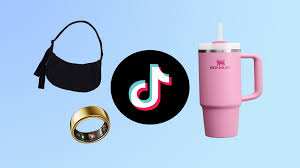
A product going viral on TikTok means it gains widespread popularity very quickly. This usually happens through user-generated content, trending sounds, and challenges. It leads to a massive surge in interest and sales.
Understanding the TikTok Phenomenon
TikTok is a powerful platform. It’s not just for dancing and lip-syncing anymore. It’s a massive discovery engine.
Trends start here. Ideas spread like wildfire. For products, this means a direct line to millions of potential customers.
The app’s algorithm is designed to show people what they want to see. If a product gets enough engagement, the algorithm pushes it out to even more people. This creates a snowball effect.
Think about it. You scroll through your “For You Page” (FYP). You see a cool gadget.
Someone is using it in a fun way. You watch the video. You might even watch it a few times.
This tells the algorithm you like it. So, it shows you more videos about that product. Then, you start seeing it in other videos.
Friends might share it with you. Soon, it feels like it’s everywhere. That’s how a product becomes a TikTok viral product.
The sheer speed is what’s remarkable. A product can go from unknown to highly sought-after in a matter of days. This rapid ascent is unlike most other marketing channels.
It relies heavily on organic reach and user enthusiasm. It’s driven by real people, not just big ad budgets. This makes it feel more authentic to viewers.
And authenticity is key on TikTok.
The Anatomy of a Viral TikTok Product
So, what kind of products tend to grab attention on TikTok? It’s not just one thing. Several factors play a role.
Often, these are items that are visually interesting. They might be unusual. Or they solve a common problem in a new way.
Sometimes, they are just plain fun or aesthetically pleasing.
The product needs to be shareable. People need to feel compelled to show it off. This could be because it’s unique, solves a problem, or just looks amazing.
The video content is also crucial. Videos that are short, engaging, and creative tend to perform best. They need to catch attention within the first few seconds.
Otherwise, viewers will scroll past.
Here are some common characteristics of products that go viral:
- Visually Appealing: They look good on camera. Think bright colors, interesting textures, or sleek designs.
- Unique or Novel: They offer something new or different. This sparks curiosity.
- Problem-Solving: They address a common frustration or need. People love seeing solutions.
- Entertaining to Use: The act of using the product is fun to watch.
- Affordable: While not always the case, many viral items are impulse buys. Lower prices help.
- Relatable: They connect with everyday experiences or aspirations.
It’s often a combination of these traits. A product might be a clever organizer that looks beautiful in a minimalist kitchen. Or it could be a quirky gadget that makes a chore surprisingly fun.
The key is that it resonates with a large audience quickly. And that resonance is amplified by the TikTok platform.
My Own Brush with a TikTok Trend
I remember one late Tuesday evening. I was deep in a TikTok rabbit hole. The usual mix of dance challenges and comedy skits was playing out.
Then, I saw this tiny, almost magical-looking tool. It was for cleaning grout in bathrooms. Now, grout cleaning is a chore most people dread.
It’s tedious and often doesn’t yield great results. But the person in the video was using this little brush. It had these tiny, stiff bristles.
They attached it to a drill. With a whirring sound, the grime just vanished. The grout looked brand new.
It was satisfying to watch. My first thought was, “Wow, that actually works!” My second was, “I need that.” I was so annoyed by my own bathroom tiles at that moment. This video made me feel like I could fix them easily.
I didn’t even check the price. I just clicked the link in the bio. It was a classic impulse buy, fueled entirely by a quick, convincing TikTok.
And I know I’m not alone. I’ve heard similar stories from friends who bought things they never knew they needed until they saw them on the app.
That feeling of instant need is powerful. It stems from seeing the product in action. You witness its effectiveness.
You see the transformation. And it’s presented in a way that’s quick and entertaining. The maker of the video was clearly enthusiastic.
They weren’t just showing the product; they were showing the result. That result was the dream outcome for anyone with dirty grout. It made the product seem indispensable.
It was a moment of pure, unadulterated desire. And it all happened in about 30 seconds. This shows the raw power of visual demonstration on TikTok.
The Role of Creators and Influencers
Creators are the heartbeat of TikTok. They are the ones who make products go viral. They find these items.
They showcase them. They give them context. Their enthusiasm is often contagious.
When a creator genuinely likes a product, it shows. Their audience trusts their opinion. This trust is gold on the platform.
There are different types of creators involved. Some are mega-influencers with millions of followers. Their endorsement can provide massive reach.
But often, it’s the smaller, more niche creators who spark the initial fire. These creators have highly engaged communities. Their followers feel a closer connection.
A recommendation from them can feel like advice from a friend.
These creators often use trending sounds or formats. They might participate in a challenge related to the product. Or they might create a new trend around it.
This strategic use of TikTok’s native features is key. It makes the content feel organic and native to the platform. It doesn’t feel like a forced advertisement.
It feels like discovery.
The content itself needs to be compelling. It needs to be more than just a product demo. It needs a story.
It needs a hook. It needs to evoke emotion. Humor, satisfaction, or even a touch of awe can make a video memorable.
This encourages shares and comments, which further boosts the algorithm’s visibility. It’s a collaborative effort between the product, the creator, and the platform.
Key Elements of Creator Content
Authenticity: Creators show genuine excitement and honest opinions. They don’t sound like scripted actors.
Problem/Solution: They often highlight a common pain point and then reveal the product as the fix.
Satisfying Visuals: Before-and-after shots, satisfying cleaning, or unique transformations grab attention.
Relatability: They frame the product within everyday situations that viewers can understand.
Call to Action (Subtle): Often, a link in bio or a mention of where to find it is enough.
How Trends Fuel Viral Products
TikTok thrives on trends. Trends are like little waves of popular content. They can be sounds, challenges, filters, or even specific types of videos.
Products that can tap into existing trends or start new ones have a higher chance of going viral. It’s like catching a wave rather than trying to create one from scratch.
For example, a cleaning product might go viral because it’s featured in a “satisfying cleaning” trend. A beauty product might become popular when it’s used in a “get ready with me” video that hits the FYP. A kitchen gadget could explode if it’s part of a “lazy cooking hacks” series.
The trend gives the product a context. It shows people how it fits into a popular narrative on the app. It also provides a ready-made audience.
People who are already following that trend are more likely to see and engage with content related to it. This is a powerful amplification effect.
Creators are constantly looking for new trends. They also look for products that can become trends. If a product is inherently interesting or unique, it can inspire creators.
They might start a new challenge or a new way of using it. This is how a product can generate its own viral momentum. It moves beyond just being part of an existing trend.
It becomes the trendsetter.
It’s a dynamic ecosystem. Trends emerge, peak, and fade. For a product to go viral, it needs to hit the right trend at the right time.
Or it needs to be so compelling that it doesn’t need a trend to get noticed. But trends certainly help give it that initial boost. They provide the pathway for widespread discovery.
The Algorithm: The Invisible Hand
The TikTok algorithm is often described as a black box. But we know it’s designed to keep users engaged. It learns what you like very quickly.
It then serves you more of that content. For a product to go viral, it needs to capture the algorithm’s attention.
How does it do that? Through user interaction. When people watch a video about a product, share it, comment on it, or even just linger on it, the algorithm notices.
If a video about a specific product receives high engagement from a diverse group of users, TikTok will start showing it to more people. It might appear on more “For You Pages.”
The algorithm also looks at completion rates. If people watch a video all the way through, or even rewatch it, that’s a strong signal. It means the content is captivating.
This is why short, punchy videos are so effective. They hook viewers and keep them watching until the end.
Furthermore, the algorithm favors new and trending sounds or effects. If a product is featured in a video that uses a popular sound or filter, it increases its discoverability. This is why creators are so keen to jump on new trends.
They know the algorithm rewards it. It’s a feedback loop. User engagement tells the algorithm the content is good.
The algorithm then shows it to more users. This leads to more engagement. And the cycle continues, propelling the product to viral status.
Algorithm Boost Factors
High Watch Time: Users watching the video fully, or multiple times.
Shares and Saves: Users signaling they want to keep or show the content to others.
Comments and Likes: Direct signs of engagement and positive sentiment.
Hashtag Usage: Using relevant and trending hashtags increases discoverability.
Sound and Effect Trends: Incorporating popular audio or visual elements.
The “Wow” Factor: Surprise and Delight
People on TikTok love to be surprised. They love to see things that make them say, “Whoa!” or “I didn’t know that was possible!” Products that deliver a significant “wow” factor are prime candidates for virality.
This “wow” can come in many forms. It could be an unexpected use for a common item. It could be a gadget that performs a seemingly impossible task.
Or it could be an aesthetic transformation that’s dramatic and immediate. Think about those videos where someone reveals a perfectly organized drawer or a flawless makeup application. The contrast between the “before” and “after” is the “wow.”
For a product to achieve this, it needs to offer something genuinely novel or exceptionally effective. It can’t just be slightly better. It needs to be surprisingly good.
The demonstration needs to be clear and impactful. You need to see the magic happen right before your eyes.
This is why visual demonstrations are so important. A product that can show its value quickly and dramatically is a winner. For instance, a stain remover that makes a stubborn mark disappear in seconds.
Or a kitchen tool that chops vegetables in a fraction of the time it would take manually. These are the moments that capture attention and drive shares.
It’s about exceeding expectations. When a product does something far beyond what a viewer anticipates, it creates a strong impression. This impression is what gets shared.
It’s what prompts comments like “OMG I need this!” This is the emotional response that fuels virality on TikTok.
The Power of Urgency and FOMO
Once a product starts gaining traction, a sense of urgency can kick in. This is often fueled by Fear Of Missing Out (FOMO). People see everyone else talking about it, buying it, and using it.
They don’t want to be left behind. This can accelerate the viral cycle significantly.
When a product becomes scarce, either due to high demand or limited stock, FOMO intensifies. Videos might pop up showing sold-out items or long waiting lists. This further fuels the desire to get it before it’s gone.
It becomes a race.
Brands can sometimes leverage this. They might announce limited drops or flash sales. This creates a sense of occasion and urgency.
It encourages immediate action. On TikTok, this plays out organically. Users see the buzz.
They see the demand. They start to worry they’ll miss their chance. This psychological effect is a powerful driver of viral product success.
The social proof aspect is also huge here. Seeing many other people embrace a product makes it seem desirable and validated. If it’s popular, it must be good, right?
This herd mentality is amplified on social media platforms like TikTok. The sheer volume of content and discussion around a product can make it feel like a cultural moment. And nobody wants to miss out on a cultural moment.
This is why many viral products are often described as “must-haves.”
FOMO Triggers on TikTok
Sold-Out Alerts: Videos showing items are out of stock.
Long Waitlists: Mentions of extended delivery times due to demand.
“Everyone Has This” Videos: Content highlighting the widespread adoption of a product.
Limited-Time Offers: Creators or brands mentioning exclusive deals.
Community Buzz: The sheer volume of discussion and engagement around an item.
Is It Just Luck? The Element of Surprise
While we can analyze the patterns, there’s always an element of surprise. Sometimes, a product goes viral for reasons that are hard to predict. It might be a quirky, niche item that unexpectedly captures the internet’s imagination.
Or it might be a simple product that gets featured in a video with a unique twist.
This is where the unpredictable nature of social media comes into play. TikTok’s algorithm is powerful, but it’s also influenced by human behavior. And human behavior can be wonderfully random.
A perfectly ordinary item can become a sensation overnight if it lands with the right audience at the right time.
It’s not just about ticking boxes. A product needs to spark joy, curiosity, or a strong emotional response. Sometimes, a video might go viral because it’s funny, heartwarming, or even a little bit bizarre.
If a product is part of that emotional experience, it can get swept up in the virality.
Think about products that are aesthetically pleasing in a unique way. Or items that are simply fun to fidget with. These might not solve a grand problem, but they offer a moment of simple pleasure or distraction.
In the fast-paced world of TikTok, these moments are highly valued. They are the unexpected delights that can lead to unexpected fame for a product.
So, while strategy and understanding the platform are crucial, there’s always room for serendipity. A bit of good fortune, a perfectly timed post, and a product can truly take flight. It’s the blend of strategic content creation and the unpredictable currents of internet culture that makes TikTok so fascinating.
Real-World Scenarios of Viral Products
Let’s look at some examples that show how products become viral. These aren’t just theoretical; they’re real products that exploded on TikTok.
Scenario 1: The Kitchen Gadget Revolution
Remember those viral onion choppers? They looked like small, manual food processors. You’d put chopped onions inside, close the lid, and give it a tug.
The little blades would spin, perfectly dicing the onion. They were amazing because they solved a common kitchen annoyance: crying over onions. The videos showed a clear before (whole onion) and after (perfectly diced onion) in seconds.
They were also quite satisfying to watch. People loved how easy they made a tedious task. The price was usually low, making it an easy impulse buy.
Creators demonstrated them in cooking videos, recipe hacks, and “kitchen essentials” compilations. Soon, everyone had one, or at least wanted one. This gadget was a TikTok viral product because it offered a clear solution, was visually satisfying, and easy to demonstrate.
Scenario 2: The Skincare Sensation
Acne patches, especially cute, star-shaped ones, took off. These aren’t new, but TikTok gave them a new life. Creators showed themselves applying these small, discreet patches to blemishes.
The magic happened overnight. The patch would absorb gunk from the zit and reduce redness. The “reveal” videos, showing the patch covered in what was removed from the skin, were incredibly satisfying and a little gross, which people love.
They tapped into the universal desire for clear skin. The visual aspect of the cute shapes also made them more appealing. They were an easy, inexpensive way to address a common skin concern.
The “skinfluencers” on TikTok amplified their popularity. They became a go-to for quick fixes.
Scenario 3: The Home Organization Hack
Those clear, stackable cosmetic organizers or drawer dividers. They aren’t revolutionary inventions. But TikTok showed them in action.
Creators would take messy drawers or cluttered countertops and transform them into pristine, organized spaces. The visual contrast was the key. Seeing a chaotic space become orderly was deeply satisfying.
People love a good home organization hack. These organizers made it look effortless. They showed how a few simple, affordable items could bring order and beauty to everyday spaces.
The videos often featured “clean with me” or “organization motivation” themes. This made them highly aspirational. They offered a tangible way for viewers to improve their own living spaces.
Quick Scan: Why These Products Went Viral
Onion Chopper: Solved a pain point (crying), visually satisfying, easy demo, low price.
Cute Acne Patches: Solved a common concern (acne), visually appealing (shapes), satisfying “reveal” videos, community buzz.
Drawer Organizers: Offered strong before-and-after visuals, tapped into organization trends, aspirational home content, affordable solution.
What This Means for Your Product (or Your Wishlist)
If you’re a business owner or creator, seeing these trends is important. It shows what resonates with the TikTok audience. It’s not just about having a good product.
It’s about how you present it. Does it have that visual appeal? Can it solve a problem in a satisfying way?
Is it something people will want to share?
For consumers, it’s a reminder to be mindful. The dopamine hit from seeing a cool product can lead to impulse buys. Ask yourself if you truly need it.
Can you afford it? Does it genuinely solve a problem for you? The viral nature of TikTok can sometimes create a cycle of wanting things you don’t necessarily need.
The key takeaway is that virality on TikTok is a combination of factors. It’s about the product’s inherent appeal, the creator’s skill, the platform’s algorithm, and the collective mood of the users. It’s a complex dance.
Understanding these elements can help you either launch a product successfully or navigate your own shopping habits more consciously.
Consider these points:
- Product Appeal: Is it visually striking? Does it solve a real, relatable problem? Is it fun or interesting to use?
- Content Strategy: How can you showcase the product in short, engaging videos? What trends can you tap into?
- Creator Collaboration: Partnering with the right creators can expose your product to a ready audience.
- Authenticity: Genuine enthusiasm and honest demonstrations build trust.
It’s a dynamic space. What works today might not work tomorrow. But the core principles of engaging content, genuine appeal, and smart platform usage remain.
The goal is to create something that people not only see but also connect with and want to share. That’s the path to becoming a TikTok viral product.
Quick Fixes & Tips for Buzz
While there’s no guaranteed formula for going viral, here are some tips that can increase your product’s chances of gaining traction on TikTok:
- Focus on Demonstrations: Show, don’t just tell. Visuals are everything. Highlight the product in action.
- Solve a Clear Problem: Make it obvious how your product makes life easier or better.
- Embrace Trends: Use popular sounds, filters, and video formats when they fit your product naturally.
- Encourage User-Generated Content: Run contests or challenges that get your customers creating videos with your product.
- High-Quality, Engaging Video: Keep videos short (15-60 seconds), fast-paced, and visually interesting.
- Use Relevant Hashtags: Mix broad, trending hashtags with niche, specific ones related to your product.
- Engage with Comments: Respond to questions and comments quickly. Build a community around your product.
- Consider Gifting to Creators: Send your product to creators who align with your brand. A genuine review can go a long way.
Remember, authenticity is key. Don’t try to force a trend if it doesn’t fit. People can spot inauthentic content easily.
The goal is to create content that feels native to TikTok and genuinely showcases your product’s value or appeal.
Frequently Asked Questions
What makes a product go viral on TikTok?
Products go viral on TikTok due to a combination of factors. These include being visually appealing, solving a problem in a unique way, tapping into current trends, being demonstrated engagingly by creators, and capturing the attention of TikTok’s algorithm through high user engagement like shares and watch time.
Can any product go viral on TikTok?
While theoretically any product could gain traction, it’s more likely for products that are inherently visual, unique, or solve a relatable problem. Products that lend themselves to creative video content have a much better chance. Mass-produced, uninspired items may struggle to stand out.
How important are influencers in making a product go viral?
Influencers, or creators as they are known on TikTok, are extremely important. They introduce products to their audiences, demonstrate their use, and create engaging content that can capture the algorithm’s attention. Their trust with their followers can significantly boost a product’s popularity.
How quickly can a product go viral on TikTok?
A product can go viral on TikTok very rapidly, sometimes within days. This is due to the platform’s algorithm and the speed at which trends spread. A few highly engaging videos can quickly lead to widespread discovery.
What role does the TikTok algorithm play?
The TikTok algorithm is crucial. It identifies engaging content and shows it to more users. Videos with high watch times, shares, comments, and likes are favored.
If a product’s content consistently gets these signals, the algorithm will boost its visibility, leading to viral spread.
Is it possible to plan for a product to go viral?
While you can’t guarantee virality, you can increase the chances. This involves creating compelling content, understanding TikTok trends, partnering with creators, and ensuring your product has inherent appeal. It requires strategy, creativity, and often a bit of luck.
What is the average cost of a viral TikTok product?
Viral TikTok products can range greatly in price. Many are affordable impulse buys, making them easy for users to purchase after seeing them. However, more expensive items like certain beauty treatments or tech gadgets can also go viral if they offer significant perceived value or a strong “wow” factor.
Conclusion
Understanding how products achieve viral status on TikTok is fascinating. It’s a blend of product design, creative content, creator influence, and the powerful dynamics of the platform’s algorithm. While luck plays a part, a strategic approach to showcasing a product’s unique appeal and problem-solving abilities is key.
By focusing on engaging visuals and tapping into current trends, you can significantly increase the odds of your product capturing the internet’s attention.
