
What Are Evergreen Products and Why Do They Matter?
Have you ever bought something that just kept on working? It didn’t break easily. It stayed useful for a very long time.
These are often called evergreen products. They are built to last. They solve a problem in a way that doesn’t go out of style.
This is super helpful.
In our fast world, things change quickly. New versions come out all the time. Sometimes, what’s new today is old tomorrow.
Evergreen products are different. They are made with quality. They focus on core needs.
They don’t chase every tiny trend. This makes them a smart choice for your home and your wallet.
This guide will show you what makes a product evergreen. We will look at why they are so good. We will also talk about how to find them.
You will learn what to look for. You will also see how they can help you save time and money. Let’s dive in!
Evergreen products are durable, timeless items designed to solve a core problem effectively for many years without needing frequent replacement or updates. They focus on quality, function, and lasting value rather than fleeting trends.
The Heart of Evergreen: What Makes a Product “Evergreen”?
What truly makes a product an evergreen product? It’s a mix of things. The main idea is that it solves a problem that doesn’t disappear.
People will always need to eat. They will always need to stay warm. They will always need to connect with others.
Evergreen products meet these basic needs.
Think about a really good kitchen knife. A well-made knife can last a lifetime. It doesn’t need a software update.
It just cuts food very well. That’s its job. It keeps doing that job year after year.
This is the essence of being evergreen.
Quality materials are key. Strong metals, good wood, or sturdy plastics make a difference. The way it’s put together also matters.
Simple, robust designs are often best. They have fewer parts to break. They are easier to understand and use.
Timeless design plays a role too. An evergreen product often looks good for a long time. It’s not flashy or overly trendy.
Think of classic furniture. Or a well-designed piece of luggage. It looks right today and will likely look right in ten years.
This design avoids being “dated.”
Functionality is another pillar. The product must do its job exceptionally well. It should be efficient.
It should be reliable. People buy it to solve a specific need. If it does that job perfectly, it remains valuable.
Its purpose doesn’t fade away.
Key Qualities of Evergreen Products
- Durability: Built with strong materials and solid construction.
- Timeless Design: Classic appearance that doesn’t go out of fashion.
- Core Functionality: Solves a fundamental, long-lasting human need.
- Repairability: Often easier to fix than disposable items.
- Simplicity: Usually straightforward to use with few complex parts.
- High Performance: Consistently performs its intended task well.
My Own “Never Buy Again” Moment with a Trend Product
I remember a few years ago. Everyone was talking about a new type of smart coffee maker. It promised to brew the perfect cup every time.
You could control it from your phone. It looked super modern. I thought, “This is the future of coffee!” So, I bought one.
It was quite expensive.
At first, it was fun. I loved showing off the app. But then, things started to go wrong.
The Wi-Fi connection would drop. The app would freeze. One day, a small plastic part inside just snapped.
I looked for a replacement part online. It was impossible to find. The company told me they were working on a new model.
Suddenly, my fancy smart coffee maker was just… a regular coffee maker. But it was a coffee maker that was hard to clean. It had weird parts.
It didn’t even brew as well as my old, simple drip machine. I realized I had spent a lot of money on something that was designed to be replaced quickly. It was a trend, not a solution.
That experience made me think. I looked at my other kitchen tools. My cast iron skillet?
It’s been with me for over ten years. My good chef’s knife? It’s probably older than my car.
These items just work. They don’t need updates. They don’t rely on apps.
They are dependable. That’s when I really started to appreciate evergreen products. They offer true value.
They give peace of mind. And they definitely don’t end up in a landfill after two years.
Evergreen vs. Trendy Products: A Quick Look
Evergreen:
- Focus: Function, Quality, Longevity
- Design: Classic, Simple
- Lifespan: Years, Decades
- Value: Long-term, Cost-effective
- Example: Cast iron skillet, sturdy scissors
Trendy:
- Focus: Novelty, Latest Features
- Design: Flashy, Often Complex
- Lifespan: Months, a Few Years
- Value: Short-term excitement
- Example: Gadgets with short support, fast-fashion items
Why “Evergreen” Makes Financial Sense in the Long Run
Let’s talk about money. Buying a well-made evergreen product might cost more upfront. This can be a hurdle for some.
But think about it like this: you’re investing. You’re not just making a purchase. You’re buying something that will serve you for many, many years.
Consider a good pair of boots. A cheap pair might cost $50. They might last one winter.
Then you need new ones. A well-made pair might cost $200. But if they last you five winters, or even ten, they are cheaper per year.
They also often feel much better on your feet.
This idea applies to so many things. Tools for your home. Kitchenware.
Even clothing can be chosen with an eye for evergreen quality. When you buy something that lasts, you buy less often. This saves you money over time.
It also saves you the hassle of constant shopping.
Plus, think about the waste. Disposable products fill up landfills. Repairing or replacing items costs resources.
By choosing evergreen, you reduce your impact. You also often reduce your stress. You know you have reliable tools.
You don’t have to worry about something breaking at a critical moment.
Cost Comparison: Evergreen vs. Disposable
Imagine needing a simple hand tool, like a hammer.
- Disposable Hammer:
- Initial Cost: $15
- Lifespan: 1-2 years (handle cracks, head loosens)
- Replacement Cost over 5 years: $30 – $60
- Evergreen Hammer:
- Initial Cost: $45
- Lifespan: 10+ years (solid steel, good grip)
- Replacement Cost over 5 years: $0
This simple example shows the long-term savings. It’s not just about the sticker price today. It’s about the total cost over the life of the product.
Finding Evergreen Products: What to Look For
So, how do you spot these lasting treasures? It takes a little awareness. But once you know what to look for, it gets easier.
Don’t just grab the first thing you see. Take a moment to think about its purpose.
First, ask yourself: does this solve a problem that will still exist in five or ten years? Or is it tied to a fleeting trend? If it’s the latter, it’s probably not evergreen.
For example, a basic, well-made backpack will always be useful. A backpack with a built-in, non-removable LED light show might not be.
Next, check the materials. Look for natural, strong materials. Solid wood, stainless steel, cast iron, heavy-duty canvas, or leather are good signs.
Avoid products that are mostly thin plastic. Especially if they have many moving parts. Those are often designed to fail.
Read reviews. But don’t just look at star ratings. Read what people say about durability.
Do they mention it lasting for years? Or do they complain about it breaking after a few months? Look for common themes of long-term satisfaction or early failure.
Consider the brand’s reputation. Some companies have a history of making quality, long-lasting items. They often focus on craftsmanship.
They might offer good warranties. This can be a sign they stand behind their products. Companies like Lodge (for cast iron) or Stanley (for tools) have this reputation.
Think about repairability. Can it be fixed? Are parts available?
If a company makes it very hard to fix something, they might want you to buy a new one. This is the opposite of evergreen thinking.
Your Evergreen Product Checklist
Before you buy, ask:
- Problem: Does it solve a basic, lasting need?
- Materials: Are they strong and durable (metal, solid wood)?
- Construction: Is it well-made with few weak points?
- Design: Is it simple and timeless, not overly trendy?
- Reviews: Do users report long-term use and satisfaction?
- Brand: Does the company have a history of quality?
- Repair: Can it be fixed if something goes wrong?
Examples of Evergreen Products in Daily Life
You might be surprised how many evergreen products you already own or could easily add. They fit into almost every part of life.
In the kitchen, think about cast iron pans. They get better with age. A good chef’s knife.
A wooden cutting board. A sturdy set of stainless steel pots and pans. A manual coffee grinder.
A reliable hand mixer.
For home goods, consider a solid wooden chair or table. A well-made blanket. A durable set of towels.
A sturdy broom or mop. A classic alarm clock that just rings.
In clothing, look for natural fibers like wool or cotton in classic cuts. A simple leather belt. A well-constructed pair of leather shoes.
A timeless watch.
Tools are a prime example. A good set of wrenches. A reliable hammer.
A durable level. A quality screwdriver set. These are built to last.
Even some personal care items can be evergreen. A good quality hairbrush. A simple safety razor.
These solve basic needs and are built to endure.
The key is to look for items that have a clear, simple purpose. They should be made from strong materials. They should not rely on electronics or software that will quickly become outdated.
Spotlight: The Humble Cast Iron Skillet
This is a classic evergreen product.
- Purpose: Cooking food evenly and efficiently. A need that has existed for centuries.
- Materials: Pure iron. Incredibly strong.
- Design: Simple, one-piece construction is common. No complex parts.
- Lifespan: Can last generations with proper care. It gets better with use (seasoning).
- Value: Versatile for searing, frying, baking. Improves cooking over time.
When “Evergreen” Needs a Little Help: Maintenance and Care
Even the best evergreen products need some care. They aren’t magic. Taking care of them is part of what makes them last so long.
It’s a small trade-off for years of reliable service.
For example, a cast iron skillet needs seasoning. This means oiling it and heating it. It protects the pan and makes it non-stick.
It’s a simple process, but it’s important. If you neglect it, the pan can rust or food can stick badly.
A good knife needs sharpening. It needs to be washed by hand, not put in the dishwasher. The dishwasher’s heat and harsh detergents can damage the blade and the handle.
Keeping it sharp makes it safer and easier to use.
Wooden furniture needs occasional cleaning and maybe a polish. Leather goods need conditioning. Metal tools might need a light oiling to prevent rust.
These are not complicated tasks. They are usually quick.
The important thing is to understand the product’s needs. When you buy something built to last, you often buy it because you value its quality. Learning how to maintain that quality is part of the process.
It’s a small investment of time for a big return in product life.
Think of it like tending a garden. You plant a good seed (the evergreen product). You water it and give it sun (maintenance).
Then it grows strong and provides for you for years (reliable service).
Simple Maintenance Tips for Evergreen Items
Cast Iron: Clean with hot water and a stiff brush. Dry immediately. Apply a thin coat of oil.
Good Knives: Hand wash and dry. Sharpen regularly. Store safely.
Wooden Utensils: Hand wash. Dry thoroughly. Apply food-grade mineral oil occasionally.
Leather Goods: Clean with a damp cloth. Use a leather conditioner every 6-12 months.
Metal Tools: Wipe clean after use. Apply a light coat of oil to prevent rust.
The Environmental Impact: Less Waste, More Value
Choosing evergreen products has a significant positive impact on our environment. In today’s world, we generate a lot of trash. Many products are designed for short lives.
They are made to be replaced quickly. This cycle of buy, use, and discard is not sustainable.
When you buy something that lasts for years, you are directly reducing waste. You are not contributing to the constant demand for new manufacturing. New manufacturing uses energy, water, and raw materials.
It often creates pollution.
By investing in quality, you are essentially saying no to the disposable culture. You are choosing to own fewer things, but better things. This reduces your personal footprint.
It also sends a message to companies. It shows that consumers value durability and sustainability.
Think about the resources saved. Less plastic made. Less metal mined.
Less energy consumed in factories and in shipping. These are all big wins for the planet.
Furthermore, many evergreen products are made from more sustainable materials. Natural fibers, wood from responsibly managed forests, and metals that can be recycled easily are common. This further enhances their environmental appeal.
It’s a conscious choice. It’s a step towards a more mindful way of consuming. And it feels good to know your purchase is part of a solution, not part of the problem.
Evergreen Choices for a Greener Planet
- Reduced Landfill Waste: Fewer items thrown away.
- Lower Resource Consumption: Less demand for new raw materials.
- Less Energy Use: Reduced manufacturing and transportation needs.
- Sustainable Materials: Often made from eco-friendly options.
- Promotes Repair Culture: Encourages fixing over replacing.
When “Evergreen” Might Not Be the Perfect Fit
While I’m a huge fan of evergreen products, they aren’t the answer for absolutely everything. Sometimes, technology moves too fast. Sometimes, a specialized tool is needed for a short-term project.
Consider your smartphone. While the concept of communication is evergreen, the device itself is not. Technology changes so rapidly.
New features become standard. Batteries degrade. A phone from five years ago, no matter how well-built, will likely feel outdated and perform poorly compared to today’s models.
Similarly, if you need a specific tool for a one-time home repair project, buying the most expensive, everlasting version might not make sense. Renting or buying a more basic version might be wiser. The investment isn’t justified if the item won’t be used again.
Also, sometimes novelty is fun! There’s nothing wrong with enjoying a new gadget or a product that does something fun and temporary. The key is to be aware of what you’re buying.
Is it a tool for long-term use, or a fun experience for a short while?
The goal isn’t to avoid all new technology or all fun gadgets. It’s about making informed choices. It’s about recognizing when an evergreen product offers genuine, lasting value.
And when a more temporary solution is appropriate.
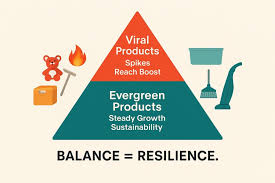
It’s about balance. Use evergreen principles for the things you need to rely on daily. Allow for some flexibility and fun with other items.
The main thing is to avoid being fooled into thinking a trendy item will be a long-term solution.
Situations Where Evergreen Might Take a Backseat
- Rapidly Evolving Technology: Like smartphones, computers, or specific software.
- Short-Term or One-Time Needs: Specialized tools for a single project.
- Entertainment or Novelty Items: Products primarily for fun or a fleeting experience.
- Highly Specialized Tasks: Where a cutting-edge, non-durable item excels.
What This Means for Your Home and Your Habits
Thinking about evergreen products can change how you approach shopping. It shifts your focus from price to value. It encourages you to think about the lifespan of an item.
In your home, this might mean slowly replacing worn-out items with more durable versions. Instead of buying cheap sheets every year, you might invest in a high-quality set that lasts much longer. Instead of a plastic cutting board, you might get a nice wooden one.
It also influences your habits. You might start taking better care of your belongings. You might learn how to sharpen knives or season pans.
This connection to your possessions can be very rewarding. It builds a sense of pride in your home.
You might also become more patient. You won’t feel the constant urge to buy the newest thing. You’ll be happy with what you have because you know it’s good.
This can lead to a more peaceful and less cluttered life.
It’s about making intentional choices. It’s about building a home filled with things that serve you well. Things that are reliable and beautiful in their own right.
Things that don’t need constant replacement.
This mindset can extend beyond physical products. It can apply to skills you learn, relationships you build, and even ideas you embrace. Focusing on what is fundamentally strong and true is a powerful approach to life.
Frequently Asked Questions About Evergreen Products
Are all expensive products evergreen?
Not necessarily. Some expensive products are just well-marketed. Or they have features that quickly become obsolete. True evergreen products are expensive because of their quality materials and construction, not just their brand name or fancy features. Always look at what you’re getting for the price.
How can I tell if a product is truly evergreen or just well-made?
A well-made product is part of being evergreen. But evergreen goes a step further. It solves a problem that won’t go away. Think about a well-made umbrella. It’s well-made. But is it evergreen? Rain is evergreen. The umbrella’s function is evergreen. It’s the combination of lasting function and quality that makes it evergreen.
Should I That’s usually not practical or necessary. Your current items likely still serve a purpose. The idea is to shift your thinking for future purchases. When something wears out or needs replacing, consider an evergreen option. It’s a gradual process. Focus on the most frequently used items first.
Are natural materials always a sign of an evergreen product?
Natural materials like wood, metal, and natural fibers are often used in evergreen products because they are durable. However, how these materials are used matters. Thin, poorly treated wood might not last. Cheaply processed metal can rust. Look at the overall design and construction, not just the material.
What’s the difference between a classic product and an evergreen product?
Classic often refers to timeless style. An evergreen product is also timeless in style, but the emphasis is more on its enduring function and durability. A classic car might be beautiful and stylish, but it might not be the most practical or reliable for daily transport today. An evergreen product is both functional and lasting.
Can electronic devices ever be evergreen?
It’s very difficult. Technology changes so fast that most electronics have a short shelf life. However, some might argue that simpler, highly repairable electronics with long software support could lean towards evergreen. But generally, the nature of rapid technological advancement makes it hard for most electronics to be truly evergreen.
Conclusion: Investing in Lasting Value
Choosing evergreen products is a smart move. It saves you money over time. It reduces waste.
And it brings a sense of calm and reliability to your life. It’s about making purchases that truly serve you.
By focusing on quality, durability, and timeless function, you can build a home filled with items you can trust. These products are not just objects. They are investments in a simpler, more sustainable future.
Start looking for them today!
