
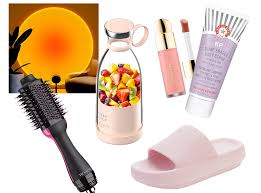
You’re scrolling through TikTok, and bam! A product catches your eye. Everyone seems to be buying it.
It’s everywhere. Finding these viral TikTok products can feel like magic, but there’s a method to the madness. It can be frustrating when you see others find success.
You want to tap into that energy. This guide will help you understand how to spot these trending items. We’ll look at what makes them take off and how you can use this knowledge.
Let’s dive in.
What Makes a Product Go Viral on TikTok?
TikTok is a fast-moving platform. What’s hot today might be old news tomorrow. Several things make a product catch fire.
It’s a mix of the product itself, how it’s shown, and the audience’s reaction. Think about unique features or problems it solves. Sometimes, it’s just a fun, eye-catching item.
The video content is key. It needs to be engaging and show the product in action. This is what gets people talking and sharing.
User-generated content plays a huge role. When everyday people show off a product, it feels more real. It’s not just an ad.
It’s a friend showing you something cool. This builds trust and excitement. Sound trends and challenges also push products.
If a product fits into a popular sound or a viral challenge, it gets seen by millions. It’s a snowball effect. The more people see it, the more they want it.
Emotional connection matters too. Does the product make people laugh? Does it solve a common annoyance?
Does it inspire them? Videos that evoke a strong emotion get more shares. This boosts the product’s visibility.
Consider the visual appeal. Bright colors, interesting textures, or a unique design can grab attention quickly. TikTok is a visual platform.
If it looks good, people stop scrolling.
Simplicity is also important. Viral products are often easy to understand. You see it, you get it, you want it.
Complex gadgets or things that need lots of explanation don’t spread as fast. They need more effort to sell. Think about the price point.
Affordable items tend to go viral more easily. People feel less hesitant to try something new if it doesn’t cost a lot. This lowers the barrier to purchase.
The platform’s algorithm is designed to show users what they engage with. If a product video gets lots of likes, shares, and comments, TikTok shows it to more people. This is how a product gains momentum.
It’s a cycle of engagement and reach. What seems like a small trend can quickly become huge. This is the power of TikTok.
Understanding these elements is the first step. It helps you look for products with viral potential.
My Own TikTok Product Hunt Journey
I remember a time I felt completely lost. I’d spent hours scrolling, hoping for inspiration. I saw all these amazing products blowing up on TikTok.
People were making sales left and right. I felt like I was missing a secret formula. One evening, I was watching a video about these tiny desk vacuum cleaners.
They looked so cute and useful. A woman was using one to clean up glitter from a craft project. It was mesmerizing!
The video was short, funny, and showed a clear problem and an easy solution. The vacuum was small, colorful, and seemed to work surprisingly well. Within minutes, I saw two more videos featuring the same product.
One was a student cleaning their keyboard, and another was someone tidying up their makeup table. I felt a little thrill. This felt like it.
I started searching for the product on different platforms. I saw others selling it, but the TikTok videos were the real drivers. It made me realize the power of visual demonstration and relatability.
That moment was a turning point for me. It showed me how to look beyond just the product and focus on the story and the visual appeal.
Spotting Trends: A Quick Checklist
Problem-Solving: Does it fix a common annoyance?
Visual Appeal: Is it eye-catching and unique?
Simplicity: Is it easy to understand and use?
Affordability: Is the price right for impulse buys?
Shareability: Does it inspire comments or shares?
Where to Look for Viral TikTok Product Ideas
The most obvious place is TikTok itself. Spend time browsing. Don’t just watch videos; actively look for patterns.
What types of products appear repeatedly? Are certain creators consistently showcasing trending items? Pay attention to the sounds and hashtags that are popular.
Often, products become associated with these trends.
Use the search bar on TikTok. Type in broad terms like “TikTok finds,” “viral products,” or “TikTok made me buy it.” See what comes up. Look at the number of views and likes on these videos.
High engagement is a good sign. Explore different niches too. If you’re interested in beauty, search for “TikTok beauty finds.” If you like home decor, search “TikTok home decor trends.”
Beyond TikTok, other platforms can offer clues. Look at what’s trending on Instagram Reels and YouTube Shorts. These platforms often share similar content.
Pinterest is another great resource. People often share products they love there. See what pins are getting a lot of saves or repins.
This indicates interest.
Consider online marketplaces. Sites like Amazon, AliExpress, and Etsy often have “best-seller” lists. See if any of these top products are also being featured on TikTok.
This can be a powerful confirmation. Sometimes, a product might be popular on one platform and then gain viral status on TikTok. It’s about connecting the dots.
Don’t forget about forums and online communities. Reddit has many subreddits dedicated to shopping and product discoveries. People often share their latest finds and discuss what’s popular.
See what items are generating a lot of buzz. These communities can offer unfiltered opinions and insights. It’s a way to gauge genuine interest beyond just what’s promoted.
Think about emerging trends in broader culture. What are people talking about? What new technologies or lifestyle changes are happening?
Products that tap into these larger shifts often have viral potential. For example, sustainability is a big trend. Products that are eco-friendly or reusable might become popular.
Similarly, products related to remote work or home fitness have seen surges.
Marketplace insights can also be very helpful. Some platforms offer data on trending products. For example, Google Trends can show you what people are searching for.
While not directly TikTok-related, it can signal growing interest in a category. This interest can then be amplified on TikTok. It’s about being aware of the broader market landscape.
Finally, trust your gut. If a product genuinely excites you, and you can see yourself using it or sharing it, it might have viral potential. Your own enthusiasm can be a good indicator.
You understand what appeals to you. This personal connection is valuable. It can help you identify products that will resonate with others.
Top Platforms for Trend Spotting
- TikTok: Direct observation of viral videos.
- Instagram Reels: Similar short-form video trends.
- YouTube Shorts: Another source of quick video content.
- Pinterest: Visual discovery and product saving.
- Amazon/AliExpress: Best-seller lists and trending items.
- Reddit: Community discussions and product recommendations.
Understanding TikTok’s Algorithm and Trends
The TikTok algorithm is a fascinating beast. It’s designed to keep users hooked. It learns what you like based on your interactions.
It shows you more of that. This is crucial for understanding how products go viral. A video with high engagement—likes, shares, comments, watch time—is rewarded.
The algorithm shows it to more users.
If these new users also engage with the video, the cycle continues. The product gets more exposure. This is how a niche product can suddenly become a household name.
Understanding this feedback loop is key. You’re not just looking for a cool product. You’re looking for a product that is likely to generate engagement.
Trends on TikTok can be very short-lived. What’s viral today might be forgotten next week. This means you need to be agile.
You can’t just jump on any trend. You need to assess its longevity. Is it a fleeting fad, or does it have the potential to last longer?
Consider the type of content being created around the product. Is it a one-off gimmick, or are creators finding new ways to use or show the product? Versatile products that can be featured in many different types of videos have a better chance of sustained popularity.
They offer more creative possibilities for creators.
Hashtags are a powerful tool on TikTok. They group content and make it discoverable. Look for trending hashtags.
See what products are associated with them. Popular hashtags like #TikTokMadeMeBuyIt, #ViralProduct, or niche-specific tags can lead you to what’s currently popular. Creators use these to reach a wider audience.
Sound is another massive driver of trends. Popular audio clips can make any video more engaging. If a product is featured in a video using a trending sound, it gets more visibility.
Sometimes, a product becomes popular because of a specific sound or song. It’s all interconnected.
The demographic of TikTok users also matters. The platform has a large base of Gen Z and young millennials. Products that appeal to this age group often go viral first.
Think about aesthetics, lifestyle interests, and current cultural touchstones for these demographics. What are their pain points? What brings them joy?
Content saturation is something to watch out for. When a product becomes too ubiquitous, interest can sometimes wane. It’s a fine line.
You want to catch a product as its popularity is rising, not when it’s already peaked. This is where consistent observation is important. You need to be an active participant, not just a passive viewer.
Think about the emotional hook. Does the product evoke happiness, surprise, curiosity, or even a bit of envy? Videos that tap into strong emotions tend to be shared more.
This emotional resonance is a key ingredient for virality. It’s not just about the object itself; it’s about the feeling it creates.
Also, consider the democratization of influence. Unlike traditional media, anyone can go viral on TikTok. This means products can gain traction organically from unexpected sources.
This makes it harder to predict but also opens up more opportunities. It’s a dynamic ecosystem. Staying informed requires constant learning and adaptation.
Sourcing Viral TikTok Products
Once you’ve identified a potential viral product, the next step is sourcing. This is where many aspiring entrepreneurs get stuck. You need to find reliable suppliers who can provide the product at a good price.
The goal is to have enough inventory if the product takes off.
Dropshipping is a popular method. With dropshipping, you don’t hold any inventory. When a customer orders, you forward the order to your supplier, who ships the product directly to the customer.
This is low-risk and requires minimal upfront investment. Platforms like AliExpress, Oberlo (for Shopify), and CJ Dropshipping are common sources for dropshipping suppliers.
When using AliExpress, look for suppliers with good ratings and reviews. Check how long they’ve been operating. Read customer feedback carefully.
Pay attention to shipping times. Long shipping times can lead to unhappy customers, especially on TikTok where users expect quick results.
Wholesale is another option. If you plan to buy in larger quantities, wholesale suppliers can offer better pricing. You’ll need to find distributors or manufacturers.
This often requires a business license or reseller permit. Alibaba is a good platform for finding wholesale suppliers, especially for bulk orders.
When evaluating wholesale suppliers, ask for samples. Test the product quality yourself. Ensure they can meet your order volumes and delivery deadlines.
Reliability is paramount. A supplier who can’t keep up can kill your business before it even starts.
Private labeling is when you put your own brand on a product made by another company. This requires more investment and effort but can build your brand. You’d work with a manufacturer to produce a product to your specifications.
This gives you more control over quality and branding.
For products that are already trending, you might find manufacturers willing to work with you. They may have existing molds or designs that can be adapted. Researching manufacturers on platforms like Alibaba, ThomasNet (for US-based suppliers), or attending trade shows can be useful.
Quality control is non-negotiable. Even if a product is trending, poor quality will lead to returns and negative reviews. Always try to get samples before committing to a large order.
If dropshipping, use suppliers who offer good quality and fast shipping options.
Consider U.S.-based suppliers if possible. While often more expensive, they can offer faster shipping times and potentially better quality control. This can be a significant advantage for customer satisfaction.
If the product is popular in the U.S., having U.S.-based fulfillment can make a big difference.
When talking to suppliers, be clear about your needs. Ask about minimum order quantities (MOQs), pricing tiers, shipping options, and return policies. Build a good relationship with your supplier.
They are a critical partner in your success. A good relationship can lead to better service and support.
Understanding import duties and taxes is also important, especially when sourcing internationally. These costs can add up and affect your profit margins. Factor them into your pricing strategy.
Consult with customs brokers or logistics experts if you’re unsure about the regulations.
Sourcing Options at a Glance
| Method | Pros | Cons | Best For |
|---|---|---|---|
| Dropshipping | Low startup cost, no inventory | Lower profit margins, less control over shipping | Testing new products, beginners |
| Wholesale | Better pricing per unit, more control | Higher upfront cost, inventory risk | Established products, scaling up |
| Private Label | Own brand, full control, higher potential profit | Highest upfront cost, significant effort | Building a brand, unique offerings |
Identifying Genuine Viral Potential vs. Hype
Not every product that gets a few viral videos is a long-term winner. There’s a difference between genuine viral potential and fleeting hype. Hype can be manufactured or short-lived.
True viral products have staying power. They tap into something deeper.
One way to tell is by looking at the breadth of content. Are multiple different creators making videos about the product? Are they showcasing it in various ways?
If only one or two videos are huge, and no one else is picking it up, it might be a flash in the pan. Consistent, diverse content creation is a strong indicator.
Consider the user reviews and comments. When you see videos of the product, read what people are saying. Are they genuinely excited?
Are they asking questions about buying it? Or are the comments mixed, or focused on negative aspects?
Look for repeat purchases or long-term usage. Does the product solve a recurring need? Is it something people will buy again and again?
Or is it a novelty item that’s fun for a day? Products that become part of a daily routine or solve an ongoing problem have more staying power.
Think about the problem it solves. Does it address a common, widespread frustration? The more relatable the problem, the wider the potential audience.
Products that solve minor annoyances or offer significant convenience tend to have a broader appeal than niche gadgets.
Customer testimonials outside of TikTok can also be telling. If the product is also selling well on other platforms and has positive reviews there, it’s a good sign. It suggests the appeal isn’t limited to TikTok’s specific trend cycle.
What about competitors? If many businesses are trying to sell the exact same product, it might be a sign that the trend is already widespread and potentially peaking. However, it also validates that there is demand.
The key is to find your angle or a slightly better source or offer.
The source of the trend matters. Was it a specific influencer with a massive following? Or did it gain traction organically from many smaller creators?
Organic growth often indicates a product that resonates more broadly. Influencer-driven trends can be powerful but may fizzle out once the influencer moves on.
Durability and value for money are also important. Even if a product is cheap, if it breaks easily or doesn’t perform as advertised, it won’t generate positive word-of-mouth. Long-term success relies on customer satisfaction.
This includes the product’s actual quality and how well it meets expectations.
Finally, think about the future potential. Can the product be part of a larger category that’s growing? For example, sustainable living products are a growing market.
A viral product within that category might have long-term relevance. Products that are too specific or tied to a very temporary fad are riskier.
Viral Potential vs. Hype: Key Differences
Viral Potential:
- Addresses a common, lasting need.
- Multiple creators make diverse content.
- Strong organic growth.
- Positive, consistent reviews across platforms.
- Potential for repeat purchases.
Hype:
- Tied to a temporary fad or single influencer.
- Limited content variety.
- May have short-lived buzz.
- Reviews can be mixed or negative after initial excitement.
- Novelty wears off quickly.
Creating Content for Viral TikTok Products
Once you have a product, you need to show it off. This is where the real work begins. Your content needs to be as engaging as the videos that made the product go viral in the first place.
Remember, the goal is to capture attention and encourage engagement.
Show, don’t just tell. This is the golden rule of TikTok. Instead of talking about how great your product is, show it in action. Demonstrate its features.
Show how it solves a problem. Be creative with your demonstrations. Think about satisfying visuals or surprising results.
Keep it short and snappy. TikTok users have short attention spans. Get to the point quickly. Use fast cuts and dynamic visuals.
Aim for videos under 30 seconds, especially if you’re just starting out. The first few seconds are crucial for hooking viewers.
Use trending sounds and effects. Incorporating popular audio clips and visual effects can significantly boost your video’s reach. Browse the TikTok sounds library and see what’s currently popular. Match the sound to your video’s mood and theme.
Tell a story. Even a short video can tell a story. Start with a problem, introduce the product as the solution, and show the positive outcome. This narrative structure is very effective.
It makes the content relatable and memorable.
Focus on the benefit, not just the feature. Instead of saying “This has a powerful motor,” say “This motor cleans your grout in seconds!” Connect the feature to a tangible advantage for the viewer. How will it make their life better or easier?
Create different types of content. Don’t just make one kind of video. Try tutorials, unboxing videos, problem-solution demos, humorous skits, or aesthetic showcases. Variety keeps your audience engaged and appeals to different viewer preferences.
Engage with your audience. Respond to comments and questions. Run polls or ask questions in your videos to encourage interaction. This builds a community around your product and signals to the algorithm that your content is valuable.
High-quality visuals matter. While TikTok isn’t Hollywood, clear video and good lighting make a difference. Shoot in good lighting, even if it’s just natural daylight. Make sure your product is in focus.
Use editing tools within TikTok or other apps to enhance your videos.
Consistency is key. Posting regularly helps you stay on the algorithm’s radar. It also gives your audience more opportunities to see your content and engage with your brand. Aim for a posting schedule you can maintain, even if it’s just a few times a week.
Use clear calls to action (CTAs). What do you want viewers to do after watching your video? Do you want them to visit your link in bio? To comment with their thoughts?
To share the video? Make your CTAs clear and easy to follow. A simple “Link in bio to shop!” can be very effective.
Collaborate with other creators. Partnering with influencers or other small businesses can expose your product to new audiences. Look for creators whose audience aligns with your target customer. Ensure the collaboration feels natural and authentic.
Analyze your performance. Use TikTok’s analytics tools to see which videos are performing best. What’s getting the most views, likes, and shares? What are people commenting on?
Use this data to refine your content strategy and create more of what works.
Content Creation Tips for Viral Success
Be Visual: Show the product in action.
Be Brief: Keep videos short and to the point.
Use Trends: Incorporate popular sounds and effects.
Tell a Story: Use a problem-solution format.
Highlight Benefits: Focus on what it does for the user.
Be Consistent: Post regularly to stay visible.
Engage: Interact with your audience.
Clear CTA: Tell viewers what to do next.
Leveraging Data and Analytics
Relying on instinct is good, but data is your best friend when trying to find and sell viral TikTok products. TikTok provides built-in analytics for Pro accounts. These insights can tell you a lot about your audience and content performance.
First, make sure you have a Pro account. It’s free to switch. This unlocks access to your analytics dashboard.
Here, you can see overview data, follower growth, and content performance.
Look at your audience demographics. Where are your viewers located? What are their ages and genders?
This information is crucial for understanding who is interested in your product. It helps you tailor your messaging and marketing efforts.
Analyze your content performance. Which videos are getting the most views? Which are getting the most likes, shares, and comments?
Pay attention to watch time and completion rates. Videos that are watched all the way through signal strong engagement.
Identify trending sounds and hashtags that are performing well for you. This can give you clues about what resonates with your audience and what might be worth exploring further for future content. What topics or themes are driving engagement?
When looking for products, use TikTok’s search function to see how much content already exists around a potential product. If there are already thousands of videos, it might be too saturated. If there are only a few, it might not have gained traction yet.
Look for a sweet spot where there’s interest but not overwhelming competition.
Use third-party tools as well. Tools like Google Trends can show you search interest for product categories over time. While not specific to TikTok, it can indicate broader consumer interest.
Platforms like Exploding Topics can highlight emerging trends across the web.
When sourcing products, check what competitors are doing. How are they marketing? What prices are they offering?
This competitive analysis can inform your own strategy. Look at their customer reviews to see what people like and dislike about their offerings.
For e-commerce stores, website analytics are vital. Tools like Google Analytics can show you where your traffic is coming from and how visitors are behaving on your site. If you’re driving traffic from TikTok, ensure your website is optimized for conversions.
A/B testing can be useful for content and marketing. Try different video hooks, calls to action, or ad creatives. See which ones perform better.
Small tweaks can sometimes lead to significant improvements in engagement and sales.
Don’t just look at raw numbers. Understand what they mean. A video with a million views but zero engagement might be less valuable than a video with 10,000 views and high engagement.
The quality of the engagement matters. Are people clicking your link? Are they asking to buy?
The goal is to use data to make informed decisions. It helps you refine your product selection, your content strategy, and your marketing approach. It’s an ongoing process.
Regularly reviewing your data will help you adapt to the ever-changing landscape of TikTok trends.
Data-Driven Product Discovery
Monitor TikTok Analytics: Understand audience and content performance.
Analyze Competitors: See what’s working for others.
Track Website Data: Measure conversions and traffic sources.
Use Trend Tools: Google Trends, Exploding Topics.
A/B Test: Optimize content and marketing.
Focus on Engagement: Quality over quantity of views.
Common Pitfalls to Avoid
It’s easy to get excited about viral products. But there are common mistakes that can derail your efforts. Being aware of these pitfalls can save you time and money.
Chasing trends without validation: Don’t just jump on a product because one video is popular. Do your research. Look for multiple signs of sustained interest.
Is there a real demand, or is it just a temporary buzz?
Ignoring product quality: A cheap product might get attention, but if it’s poorly made, customers will be unhappy. This leads to bad reviews, returns, and a damaged reputation. Always prioritize quality, even if it means a slightly higher cost.
Underestimating shipping times: If you’re sourcing from overseas, shipping can take weeks. TikTok users often expect fast delivery. Long wait times can lead to customer frustration and cancellations.
Be transparent about shipping and explore faster options if possible.
Poor content creation: Blurry videos, bad lighting, or unengaging content won’t cut it. Your content needs to be as compelling as the videos that inspired you. Invest time in learning how to create good TikTok videos.
Ignoring your audience: Don’t just post and forget. Engage with comments, answer questions, and build a community. Ignoring your audience leads to disinterest and lower engagement.
Overstocking too early: If you’re new to a product, start with a smaller inventory. Don’t invest heavily until you’ve confirmed its sales potential. This reduces financial risk if the product doesn’t take off as expected.
Not understanding profit margins: Factor in all costs: product cost, shipping, marketing, platform fees, etc. Ensure you’re setting prices that allow for a healthy profit. Many new sellers underestimate these costs.
Copyright and trademark issues: Be careful not to sell counterfeit products or use copyrighted material in your content without permission. This can lead to serious legal problems.
Lack of clear calls to action: If viewers don’t know what to do next, they won’t do anything. Make it obvious where they can buy your product.
Not adapting: TikTok trends change rapidly. What works today might not work tomorrow. Be prepared to pivot, try new products, and adapt your content strategy based on what the platform and your audience are telling you.
By avoiding these common mistakes, you significantly increase your chances of success in finding and marketing viral TikTok products. It’s about being informed, strategic, and adaptable.
When Is a Product Too Saturated?
The point where a product becomes too saturated is critical to understand. It means the market is full. Many sellers are competing for the same customers.
This makes it harder to stand out and can drive prices down. It’s a signal that the trend might be peaking or already past its prime for new entrants.
One way to gauge saturation is by the sheer number of sellers. If you search for a product on platforms like Amazon or Etsy, and there are hundreds or thousands of listings for the exact same item, it’s a strong indicator of saturation. The same applies to TikTok if you see countless videos from different sellers promoting the identical product.
Another sign is when the videos start to feel repetitive. If every TikTok video showcasing the product uses the same hook, the same music, and the same demonstration, the novelty wears off. The content starts to blend together, making it harder for any single seller to capture attention.
Price wars can also signal saturation. When multiple sellers start drastically lowering their prices to compete, it often means demand isn’t keeping up with supply, or the market is flooded. This erodes profit margins for everyone involved.
Look at the search volume and trends. Tools like Google Trends can show you if search interest for a product is starting to decline. If people are searching for it less and less, it’s a clear sign that the trend is fading.
User sentiment can shift. Sometimes, a product that was once loved can become annoying or seen as “overdone.” If comments on videos start to include phrases like “I’m so over this” or “Everyone has this now,” it’s a red flag.
Newer, fresher alternatives might emerge. As a trend saturates, innovators often create improved versions or completely new products that solve the same problem in a novel way. These new alternatives can steal market share from the saturated product.
It’s about timing. The ideal time to jump on a viral product is when it’s gaining momentum but hasn’t reached peak saturation. This allows you to capitalize on the growing demand without facing overwhelming competition. The goal is to be an early or mid-stage adopter, not a latecomer.
If you do find a product that seems saturated, your strategy needs to change. Instead of just selling the product, you might need to focus on:
- Differentiation: Offer unique bundles, better packaging, or a superior customer service experience.
- Branding: Create your own brand around the product, even if it’s a generic item. This builds customer loyalty.
- Niche Marketing: Target a very specific segment of the audience that might be underserved.
- Content Innovation: Find completely new ways to showcase the product that haven’t been done before.
Ultimately, understanding saturation helps you make smarter decisions about which products to pursue and when. It’s about finding that sweet spot where demand is high, but competition isn’t yet overwhelming. This requires constant observation and analysis.
The Future of Viral Products on TikTok
TikTok’s influence on consumer trends is undeniable, and it’s only set to grow. As the platform evolves, so will the nature of viral products. We’ll likely see even more dynamic trends and sophisticated marketing strategies.
AI and personalization will play a bigger role. As TikTok’s AI gets smarter, it will be even better at predicting what users want to see. This could lead to more tailored product recommendations and faster identification of emerging trends.
Sustainability and ethical consumption will continue to be major drivers. Products that align with these values are likely to gain traction. Consumers are increasingly conscious of their impact and will seek out brands and products that reflect their own principles.
Interactive and experiential products could become more prominent. Think about products that are not just seen but also experienced. This might include AR-enabled products or items that encourage user participation and creativity in their use.
Creator-led product development will likely increase. Brands may partner more closely with TikTok creators to co-design or develop products based on their audience’s direct feedback and needs. This ensures products have built-in appeal.
The lines between entertainment and commerce will continue to blur. TikTok’s shopping features are constantly expanding. This seamless integration of discovery and purchase will make it even easier for viral products to translate into sales.
We’ll also see more niche communities driving viral trends. As TikTok becomes more segmented into specific interest groups, specialized products catering to these niches will have a greater chance to go viral within those communities.
Authenticity will remain king. Despite sophisticated marketing, consumers will continue to respond best to genuine enthusiasm and relatable content. Products that feel authentic and are showcased in a real, unpolished way will likely perform better.
The ability to quickly spot a trend, source a quality product, and create engaging content will remain essential. However, the speed and complexity of the platform mean that continuous learning and adaptation are no longer optional – they are critical for success. The landscape is always shifting, so staying curious and observant is key to navigating the ever-exciting world of viral TikTok products.
Frequently Asked Questions About Viral TikTok Products
What is the most important factor for a product to go viral on TikTok?
While many factors contribute, visual appeal and the ability to solve a common problem in a simple, engaging way are often the most critical. The video content demonstrating this must be shareable and highly engaging.
How long does a TikTok product trend usually last?
This varies greatly. Some trends are fleeting, lasting only a few weeks or even days. Others, especially those addressing ongoing needs or lifestyle shifts, can last for months.
It’s crucial to monitor engagement and watch for signs of saturation.
Can I find viral products that aren’t already popular?
Yes, it’s possible to spot emerging trends before they explode. This requires deeper observation of niche communities, early adopter behavior, and identifying products that tap into upcoming cultural shifts or solve problems that are becoming more relevant.
Is it worth it to sell a product that’s already viral?
It can be, but it’s riskier. You need to find a way to differentiate yourself, perhaps through better sourcing, branding, customer service, or more creative marketing. Entering a saturated market requires a strong strategy to stand out.
How do I avoid buying too much inventory of a product that might not sell?
Start small. Use dropshipping initially to test demand. If you decide to buy wholesale, begin with a smaller order quantity.
Analyze sales data regularly to inform your inventory decisions and avoid overstocking.
What are the best platforms to source products that go viral on TikTok?
Common platforms include AliExpress, Alibaba for wholesale, and sometimes local manufacturers or distributors. For dropshipping, many integrate with e-commerce platforms like Shopify. The key is finding reliable suppliers with good quality and shipping times.
Conclusion
Finding viral TikTok products isn’t just luck. It’s a blend of keen observation, strategic sourcing, and creative content. By understanding what makes products catch fire, where to look, and how to present them, you can tap into this powerful trend cycle.
Stay curious, adapt quickly, and always prioritize quality and authenticity.
