
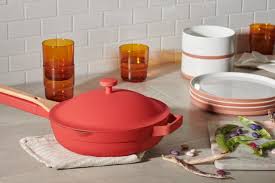
Products that always sell are typically essentials people need regularly, impulse buys that are convenient and affordable, or items that fulfill a consistent human desire or solve a common problem. They often benefit from low competition or high demand across diverse demographics.
The Magic of Evergreen Products
Evergreen products are the bedrock of consistent sales. Think about items people need. They need them no matter the season.
They need them no matter what the latest fad is. These are things like food. They are also things like basic clothing.
People always need soap. They always need toothpaste. These are not flashy.
They don’t make headlines. But they are what people buy. They buy them week after week.
Year after year.
Why do these items always sell? It’s simple. They solve a basic need.
Everyone needs to eat. Everyone needs to stay clean. Everyone needs clothes.
This need doesn’t go away. It’s not a temporary want. It’s a constant requirement.
Businesses that focus on these things often do well. They don’t have to chase trends. Their customers know they will be there.
They know the product will be there too.
Consider basic groceries. Milk, bread, eggs. These are always on shopping lists.
Even when people try new diets, they still need staples. They might swap out some items. But the core needs remain.
This creates a reliable customer base. It means steady income for sellers. It’s a powerful concept for anyone looking at business.
Another angle is maintenance items. Things that keep other things working. Like batteries for toys.
Or filters for air conditioners. Or oil for cars. These are not exciting purchases.
But they are necessary. If you don’t buy them, things stop working. This creates a sense of urgency.
People buy them when they need them. They don’t wait for a sale.
These evergreen items show us something important. People value reliability. They value things that make life easier.
Or make life possible. Focusing on these core needs can be very smart. It’s less about being trendy.
It’s more about being essential.
The Allure of Impulse Buys
Then there are impulse buys. These are different. They are not always needs.
They are often wants. But they are wants that hit you suddenly. You see them.
You think, “Oh, that looks nice!” or “Why not?” These products are usually:
- Inexpensive
- Conveniently located
- Visually appealing
- Tempting in the moment
Think about the checkout aisle. You see candy bars. You see magazines.
You see little gadgets. These are placed there on purpose. You’re waiting in line.
You have a little extra cash. You see something fun. You grab it.
It’s a small treat. It doesn’t break the bank. This is the art of the impulse buy.
Many convenience stores thrive on this. They have these small, tempting items. They are placed right where people pause.
People are often a bit bored. They are waiting. Their minds are open to suggestion.
A small colorful candy bar looks good. A colorful magazine cover catches the eye. It’s a very effective strategy.
Online, impulse buys work differently. They might be “recommended for you” items. Or items that pop up as you browse.
They are often small add-ons. Things that seem like a good idea at the time. Maybe a cool phone case.
Or a funny pair of socks. They are often linked to something else you are buying.
The key for impulse buys is timing and presentation. They need to be seen at the right moment. They need to look attractive.
And they need to be easy to buy. If you have to search hard for them, the impulse fades. Small items work well.
They feel like a low-risk purchase. A little reward for yourself.
Some businesses build their whole model around this. Think about novelty shops. Or stores selling quirky gifts.
They sell things people didn’t know they wanted. Until they saw them. This relies on creating desire.
It relies on making things look fun. Or useful in a new way.
It’s a different kind of selling than essentials. It’s about tapping into emotions. It’s about creating a moment of delight.
Or a moment of “why not?” It’s a powerful way to drive sales. But it requires a different approach.
Solving Problems That Stick Around
Some products sell because they solve a persistent problem. These aren’t always everyday needs like food. They are issues that many people face.
And they want a solution. Think about back pain. Or snoring.
Or stubborn stains. People look for ways to fix these things. They will search for products that help.
Products that offer a clear benefit are strong sellers. Especially if the problem is common. And if the solution is effective.
People are willing to spend money to feel better. Or to make their lives easier. They want relief.
They want to get rid of an annoyance.
Consider home organization products. Many people struggle with clutter. They want their homes to be neat.
So, storage bins sell well. They sell well because they address this constant struggle. Desk organizers.
Closet systems. These are all problem-solvers.
Health and wellness products also fit here. Beyond basic hygiene, think about items that promote sleep. Or items that help with digestion.
Or products that boost energy. People are always looking for ways to feel healthier. To feel more energetic.
To live better lives. These products tap into those deep desires.
The trick here is to identify a real problem. A problem that many people share. Then, offer a product that truly helps.
It needs to be effective. It needs to be safe. People want solutions they can trust.
If your product works, word will spread. People will recommend it. This creates a loyal customer base.
It’s about offering value. It’s about making a positive impact. When you help someone solve a problem, they remember that.
They become loyal. This is how you build a business that lasts. It’s not just about selling a thing.
It’s about providing a benefit.
Products That Solve Common Household Annoyances
Annoyance: Lost remotes.
Solution: Remote control caddies or holders.
Annoyance: Tangled cords.
Solution: Cord organizers or wraps.
Annoyance: Smelly trash cans.
Solution: Odor-absorbing trash bags or inserts.
Annoyance: Pet hair everywhere.
Solution: Pet hair remover tools or special vacuum attachments.
The Power of Desire and Aspiration
Beyond needs and problems, there are desires. Things people want. Not because they must have them.
But because they aspire to them. Or they want to feel a certain way. This is where luxury items fit.
Or items that represent status. Or items that help people express themselves.
Think about fashion. People don’t strictly need fancy clothes. But they want to look good.
They want to feel confident. They want to express their style. So, fashion items, even high-end ones, sell.
They sell because they tap into human desires.
Hobbies are another big area. People spend money on their passions. Whether it’s painting.
Or playing music. Or gardening. They buy supplies.
They buy equipment. They buy things that enhance their enjoyment. These items sell because they fuel a hobby.
Items related to personal improvement also fall here. Think about books on success. Or courses on learning a new skill.
Or fitness equipment. People want to be better. They want to grow.
They want to achieve more. Products that promise this will always have an audience.
This category is about tapping into what makes people feel good. What makes them feel proud. What makes them feel fulfilled.
It’s about understanding human psychology. What drives us? What makes us dream?
Consider gifts. People buy gifts to show love. To show appreciation.
To celebrate. Gift-giving is a social ritual. It’s driven by emotion.
So, items that make good gifts will always sell. They are bought not just for the person receiving them. But for the feeling they bring to the giver.
This is less about practicality. It’s more about emotion. It’s about helping people connect.
Or helping them feel good about themselves. Or helping them express who they are.
The Role of Convenience and Accessibility
Sometimes, a product sells simply because it’s easy to get. And easy to use. In our fast-paced world, convenience is king.
People are willing to pay a little more. Or choose a slightly less perfect option. If it saves them time.
Or effort.
Think about pre-cut vegetables. Or ready-made meals. Or online shopping.
These products sell because they make life simpler. They cut down on steps. They reduce the work involved.
This is incredibly appealing to busy people.
Delivery services are another example. Food delivery. Grocery delivery.
These are huge businesses. Why? Because they bring the product right to your door.
You don’t have to go out. You don’t have to find parking. You don’t have to stand in line.
It’s pure convenience.
Simple, intuitive design also plays a role. If a product is hard to figure out, people might avoid it. Even if it’s useful.
A product that is easy to assemble. Easy to operate. Easy to understand.
That’s a winner. It removes a barrier to purchase.
I remember trying to assemble a complex piece of furniture once. The instructions were terrible. The parts didn’t quite fit.
It took hours. I was so frustrated. I ended up not using it for a while.
If it had been easier, I would have loved it instantly. That experience taught me the value of good design. Easy-to-use products sell more.
This accessibility is key. It’s not just about being available. It’s about being easy to obtain and use.
Think about subscription boxes. They deliver curated items regularly. It’s convenient.
You don’t have to reorder. The items arrive at your home. This model taps into convenience.
So, while the product itself matters, how you deliver it matters too. Making things easy for the customer is a powerful sales driver. It’s a way to stand out.
It’s a way to win loyalty.
Quick-Scan: Convenience Wins
Factor: Time-saving.
Product Type: Meal kits, pre-made snacks, online ordering.
Factor: Effort reduction.
Product Type: Cordless tools, self-cleaning appliances, delivery services.
Factor: Simplicity of use.
Product Type: Intuitive apps, one-touch gadgets, clearly labeled controls.
The Psychology of Essential Goods
Let’s dive a bit deeper into why essential goods are so reliable. They tap into our most basic human needs. Maslow’s Hierarchy of Needs is a good way to think about this.
At the bottom are physiological needs. Things like food, water, shelter, warmth. These are non-negotiable.
People will always prioritize these.
Then comes safety. Security. Health.
These needs also drive consistent purchasing. Think about health insurance. Or home security systems.
Or basic first-aid supplies. People invest in these to feel safe. To have peace of mind.
Products that fulfill these lower-level needs are the backbone of many economies. They are not exciting. But they are vital.
Imagine a world without basic sanitation products. Or without access to clean water. These are things we can’t live without.
So, products that provide them will always be in demand.
The demand for these goods is predictable. It doesn’t fluctuate much with trends. It’s influenced more by population growth.
Or economic stability. This makes them a stable foundation for any business. You know people will need them.
Consider basic clothing. While fashion is fickle, everyone needs clothes. They need to stay warm.
They need to be modest. They need protection. So, simple t-shirts, socks, underwear, and basic pants will always sell.
People might buy them in different styles or colors. But the core need remains.
Even in tough economic times, essential goods tend to fare better. People cut back on luxuries. But they still buy food.
They still buy medicine. They still buy basic necessities. This resilience is what makes them so valuable.
Understanding this psychological drive is key. It’s about recognizing what humans truly need to survive and thrive. And then offering those things.
Reliably. Effectively. That’s how you build a business with staying power.
Impulse Triggers: What Makes Us Click “Buy Now”?
Impulse buying is fascinating. It’s driven by immediate emotions and perceived value. Let’s break down some common triggers:
Impulse Buy Triggers Explained
Trigger: Scarcity & Urgency.
Why it works: “Limited time only!” or “Only 3 left!” makes us feel we might miss out. This fear of missing out (FOMO) pushes us to act quickly.
Trigger: Social Proof.
Why it works: Seeing “Bestseller” or “Customers also bought.” suggests others like it. We trust the judgment of the crowd.
Trigger: Visual Appeal.
Why it works: Bright colors, attractive packaging, or a well-designed product image grab attention instantly. We are drawn to what looks good.
Trigger: Perceived Value.
Why it works: A “deal” or a small, affordable item feels like a good bargain. We feel we are getting something for less.
Trigger: Emotional Connection.
Why it works: Products that evoke nostalgia, joy, or excitement can trigger an instant purchase. It’s about how the product makes us feel.
Online retailers are masters of these triggers. Limited-time discount codes. Countdown timers on sales.
“Customers who bought this also bought.” recommendations. These are all designed to encourage quick decisions.
In physical stores, it’s the placement of items. Candy by the register. Small, fun gadgets on display tables.
These are placed to catch your eye when you’re in a buying mood. Or when you’re simply waiting.
It’s important to note that while impulse buys can drive sales, they can also lead to buyer’s remorse. This is why ethical selling is important. It’s about offering genuine value.
Not just exploiting a momentary desire.
But understanding these triggers is key for businesses. It helps them understand customer behavior. It helps them create marketing that resonates.
It helps them present products in a way that’s appealing.
Real-World Examples of Always-Selling Products
Let’s look at some concrete examples of products that consistently sell well. These often fall into the categories we’ve discussed.
Everyday Essentials
- Toilet paper: A non-negotiable household item.
- Soap and hand sanitizer: Hygiene is always a priority.
- Toothpaste and toothbrushes: Dental care is a constant need.
- Basic food staples: Rice, pasta, canned goods, cooking oil.
- Batteries: Powering countless devices.
- Light bulbs: Homes and businesses always need lighting.
Problem-Solvers
- Pain relievers: Acetaminophen, ibuprofen.
- Stain removers: For laundry and household messes.
- Insect repellents: Especially in warmer climates.
- Air filters: For HVAC systems.
- Cleaning supplies: All-purpose cleaners, dish soap.
Convenience Items
- Disposable coffee cups: For people on the go.
- Snack bars: Quick energy boosts.
- Bottled water: Easy hydration.
- Phone chargers and cables: Essential for modern life.
These items sell because they meet fundamental needs, solve common issues, or offer significant convenience. They are part of daily life for millions. Their demand is relatively stable.
This makes them reliable revenue streams for businesses.
What This Means For You
So, what does knowing about products that always sell mean for you? Whether you’re a shopper or a business owner, it’s about understanding value.
For Shoppers:
- You can recognize smart marketing.
- You can make informed decisions about what you truly need.
- You can avoid impulse buys that don’t serve you.
For Business Owners (or aspiring ones):
- Focus on Essentials: Consider offering products that fulfill basic human needs. These have a built-in market.
- Solve a Real Problem: Identify a common frustration and offer a clear, effective solution.
- Embrace Convenience: Make your product easy to buy and use. Streamline the customer experience.
- Understand Your Audience: What are their deepest needs and desires? Tailor your offerings.
- Build Trust: For problem-solvers and essentials, quality and reliability are paramount.
It’s not about finding a “secret” product. It’s about understanding human behavior. It’s about meeting needs.
It’s about making life a little easier or better for people.
Key Takeaways for Business Success
Focus: Evergreen needs over fleeting trends.
Value: Solve a problem, offer convenience, or fulfill a desire.
Trust: Ensure quality and reliability, especially for essentials.
Accessibility: Make it easy to buy and use your product.
Understanding: Know what motivates your customers.
When is a Product “Always Selling”?
The phrase “always selling” is a bit of an oversimplification. No product sells itself 100% of the time, to everyone. But some products have a consistently high demand.
This means:
- They are part of a recurring purchase cycle. (e.g., groceries, toiletries)
- They address a persistent need or problem. (e.g., pain relief, cleaning supplies)
- They tap into deep human desires or aspirations. (e.g., fashion, hobbies)
- They are incredibly convenient or accessible. (e.g., fast food, online services)
So, when we talk about products that “always sell,” we mean products that are reliably in demand. Their sales aren’t heavily dependent on fads. They are woven into the fabric of people’s lives.
It’s also about the market size. A product that sells to millions, even if each person buys it infrequently, can be an “always selling” product. Think about something like printer ink.
Not everyone buys it weekly, but many households and businesses need it regularly enough that the demand is constant.
The key is identifying something that has broad appeal and addresses a lasting human requirement or desire. This is the foundation of a stable business model.
Quick Fixes & Tips
For anyone looking to leverage this understanding, here are a few tips:
- Research Evergreen Markets: Look at industries that have been around for decades. Food, health, home goods, basic apparel.
- Identify Pain Points: Spend time observing people. What are they complaining about? What are they struggling with?
- Simplify and Streamline: If you offer a product, can you make it easier to buy or use? Can you cut down on steps?
- Focus on Value, Not Just Price: While price matters, people will pay for solutions and convenience.
- Build Trust: If your product solves a problem, be transparent about how it works and its benefits.
Remember, even the most essential items need good marketing. But if the product itself is sound and meets a real need, your marketing efforts will have a stronger foundation.
Frequently Asked Questions
What are the most consistently selling product categories?
The most consistently selling product categories are typically everyday essentials like food and toiletries, health and wellness products, basic apparel, cleaning supplies, and items that solve common household problems or offer significant convenience. These categories meet fundamental human needs and are not heavily reliant on trends.
Are impulse buy products always profitable?
Impulse buy products can be very profitable due to their high sales volume and often good profit margins on individual items. However, profitability depends on factors like product sourcing, marketing effectiveness, and inventory management. They are best used to complement core offerings rather than being the sole focus.
How can I find a product that solves a common problem?
To find a product that solves a common problem, start by observing everyday frustrations. Listen to what people complain about in daily life, online forums, and social media. Look for recurring issues related to convenience, efficiency, health, or household management. Then, brainstorm or research solutions that address these specific pain points.
Is it better to sell essentials or novelty items?
It depends on your business goals. Essentials offer stability and predictable demand, making them a solid foundation. Novelty items can generate excitement and high margins but are often trend-dependent and less predictable. Many successful businesses combine both, using essentials to provide a stable base and novelty items to capture new interest.
What role does convenience play in a product always selling?
Convenience is a major driver for products that always sell. In today’s fast-paced world, consumers often prioritize ease of access, quick use, and minimal effort. Products that save time or simplify tasks, such as pre-made meals, online delivery services, or user-friendly gadgets, are consistently in high demand because they fit into busy lifestyles.
How important is visual appeal for impulse buy products?
Visual appeal is extremely important for impulse buy products. Because these purchases are often made on a whim, attractive packaging, vibrant colors, and appealing product design can instantly grab a customer’s attention and create desire. A product needs to stand out and look desirable at first glance to trigger an impulse purchase.
Conclusion
Understanding what makes products that always sell is about looking beyond trends. It’s about recognizing fundamental human needs and desires. Essentials, problem-solvers, and convenience items form the core.
They provide stability. Impulse buys add excitement and quick wins. By focusing on lasting value, you can build a business that truly resonates.
